SHOWN AT APPLE EVENT 2004 - INTRODUCTION OF THE G-5
_____________________________________________
MEMBERSHIP - 314 on Facebook (Established 2013) in addition to many more active participants and interested parties from social media. Activities along with events are posted on the Calendar Page.
The past provides the necessary context for understanding current societal structures, political systems, and cultural dynamics in California.
Ours is highly valuable, serving a crucial role in shaping identity, providing context for the present, and enriching the lives of future generations. The project's efforts to preserve this history are considered essential by historical institutions and government agencies alike.
History and cultural heritage help define who a community is and where it comes from. Preserving these elements provides a sense of continuity and belonging for residents, connecting them to their ancestors and the larger narrative of the state's development.
UNDERSTANDING THE PRESENT
Studying historical events, both successes and failures (such as the California Gold Rush or periods of discrimination against marginalized groups), offers valuable lessons that can help inform current decision-making and prevent the repetition of past mistakes.
THE CALIFORNIA HISTORY PROJECT
________________________________________

REMEMBERING JANE GOODALL
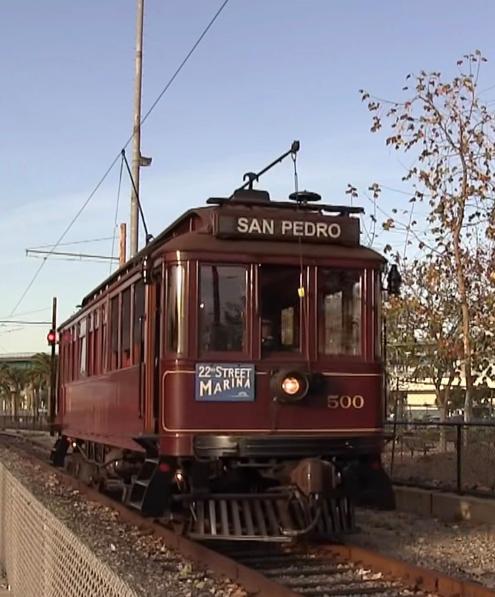
THE WATERFRONT REDCAR
Now closed since 2015
The closure was part of a larger waterfront development project that made operating the heritage streetcar line cost-prohibitive.
Final Service: Service officially ended on September 27, 2015.
Future Plans: While early development plans included a possible resumption of service, port officials later concluded it was not economically feasible. By 2021, the tracks had been removed from the southern part of the line.
Current status: In its place, the former right-of-way for the tracks is being converted into a public park. Both vehicles are now in storage.
"THEY DID SAY CALIFORNIA ORANGES"
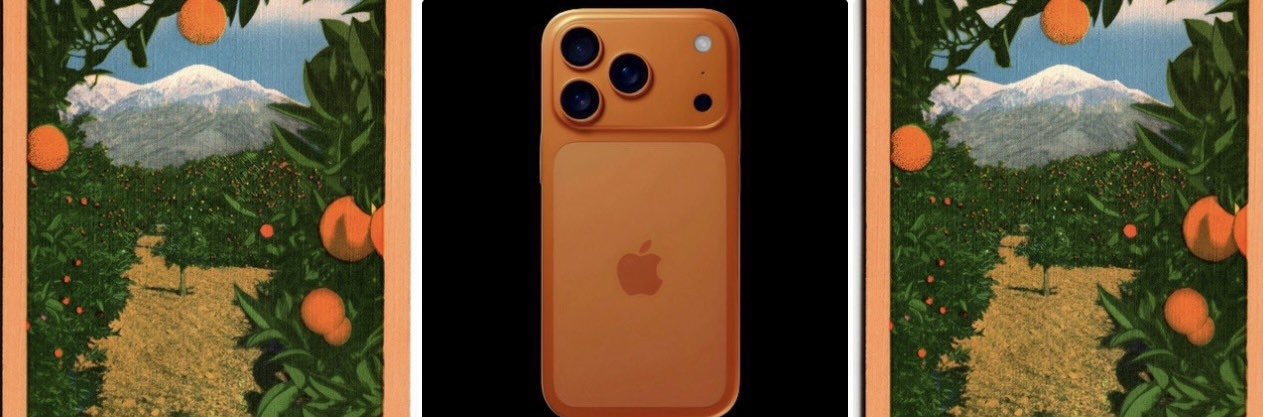
Commercial start: The first private commercial orchard was planted in Los Angeles in 1841 by William Wolfskill, whose business grew with the demand for vitamin C during the Gold Rush.
- 1840s: California's first commercial citrus operation was founded in Los Angeles by William Wolfskill, using stock from the San Gabriel Mission. The California Gold Rush created a strong demand for citrus, as miners needed vitamin C to prevent scurvy.
- 1870s: The citrus industry exploded with the introduction of the Washington navel orange.
- In 1873, Eliza Tibbets, a spiritualist and suffragette in Riverside, received two small navel orange trees from the U.S. Department of Agriculture.
- The sweet, seedless fruit was a superior variety, and its success spurred a massive citrus boom across Southern California. One of the original parent trees from Tibbets still stands in Riverside.
- 1880s: The completion of transcontinental railroads enabled growers to ship oranges to markets in the eastern United States. The California Fruit Growers Exchange, which later became Sunkist, was formed to cooperatively market and standardize the citrus crop.
The California orange industry is a historically significant and still-dominant force in the state's agriculture, though it faces several modern-day challenges
. The industry's impact is complex, with a "golden age" built upon the introduction of the Washington Navel orange and innovations in transportation, alongside a history of labor exploitation and the eventual decline of groves in Southern California.
The rise of the "Orange Empire"
- The navel orange: While Spanish missionaries first brought citrus to California in the 18th century, the industry truly took off with the arrival of the Washington Navel orange in Riverside in 1873. The seedless, flavorful fruit was perfectly suited to the climate and created massive demand.
- A "second Gold Rush": The promise of citrus cultivation attracted thousands of new settlers to Southern California in the late 19th and early 20th centuries. The landscape was transformed by lush citrus groves, and new towns like Pasadena and Redlands were established to support the industry.
- Marketing and transport: The formation of the Southern California Fruit Exchange (now Sunkist Growers) was key to the industry's success, using effective advertising to promote California's oranges as a symbol of sunshine and opportunity. Innovations like refrigerated railcars allowed California citrus to be shipped across the country and sold year-round.
- Economic boom: By the 1930s, the citrus industry generated more wealth for California than the original Gold Rush.
A complex social and environmental legacy
- Labor inequality: The massive growth of the citrus industry depended on a segregated labor force of Mexican and other immigrant workers, who lived in segregated communities and faced low wages.
- Urbanization: In the mid-20th century, many of the famous orange groves of Southern California were replaced by housing developments as cities expanded. The "Orange Empire" of agriculture gave way to modern suburbanization.
- Water use: California's citrus industry relies heavily on irrigation. This has contributed to water scarcity issues, which are compounded by droughts and climate change.
The industry today
The center of California's citrus production has shifted, and the industry continues to dominate the U.S. fresh market while facing new challenges.
- New hub in the Central Valley: Today, the San Joaquin Valley is the leading citrus-producing region in the state.
- Threat of citrus greening: Growers are battling the spread of Huanglongbing (HLB), a devastating and lethal citrus tree disease spread by the Asian citrus psyllid.
- Labor and cost pressures: Rising labor and production costs, coupled with growing international competition, have squeezed the profit margins for growers.
- Technological innovation: The industry is exploring new technologies like precision irrigation and drone monitoring, along with new varieties, to adapt to environmental challenges and market shifts.
On the origin of the navel orange
- A "clone" army: Nearly every navel orange in California—and a large portion of the navel oranges worldwide—are all clones of a single, mutated tree discovered in Brazil in 1820.
- Brazilian repayment: In a strange twist of fate, the very disease that now threatens California's citrus wiped out Brazil's navel orange trees in the 1930s. U.S. growers sent cuttings from the original Tibbets tree back to Brazil to help replenish their orchards.
- The navel's secret: The "navel" on a navel orange is actually a partially formed, undeveloped twin fruit.
____________________________________________________
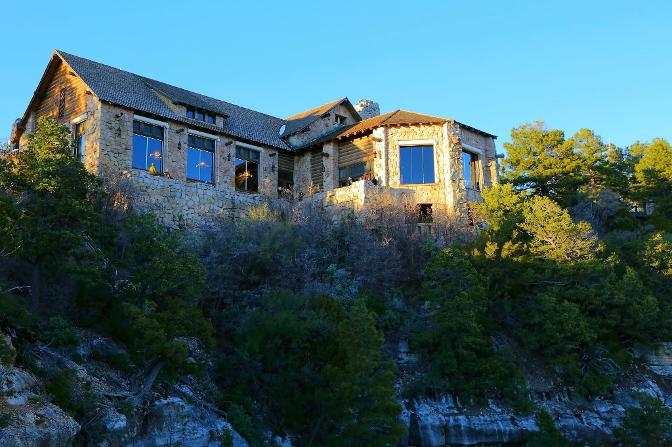
THE GRAND CANYON LODGE AT THE NORTH RIM - 2017 (Don Sherman)
Our thoughts, prayers are with the people of Arizona as they respond to the massive fires that have engulfed in and around our nations beautiful land The Grand Canyon
The destruction of the Grand Canyon Lodge on the North Rim by the Dragon Bravo wildfire is indeed a terrible loss, and the news has saddened many people who cherish this iconic landmark
.
- Destruction of a Historic Landmark: The Grand Canyon Lodge, the only lodging inside the park at the North Rim, was destroyed in the Dragon Bravo Fire. This loss includes the main lodge building and dozens of nearby cabins and park facilities. The Lodge, which first opened in 1937, was a National Historic Landmark.
- Wildfires in the Region: The Dragon Bravo Fire, which started with a lightning strike on July 4th, is one of two wildfires burning at or near the North Rim, CBS News. The other fire, the White Sage Fire, is also burning in the area.
- Evacuations and Closures: The North Rim of Grand Canyon National Park was evacuated due to the wildfires and will remain closed for the rest of the 2025 season. This also includes the closure of the North Kaibab Trail, South Kaibab Trail, and Phantom Ranch.
- Cause for Concern: The fire also damaged the water treatment facility, causing a chlorine gas leak that forced firefighters to evacuate, compounding the challenges of battling the blaze, according to Fox Weather
- Calls for Investigation: Arizona Governor Katie Hobbs has called for a federal investigation into the handling of the Dragon Bravo Fire, questioning why it was managed as a controlled burn during the dry, hot summer months.
- The loss of the Grand Canyon Lodge is deeply felt by those who cherished its history and the unique experience it offered visitors to the North Rim. The future of the site remains to be seen, but many hope for its rebuilding in the future.
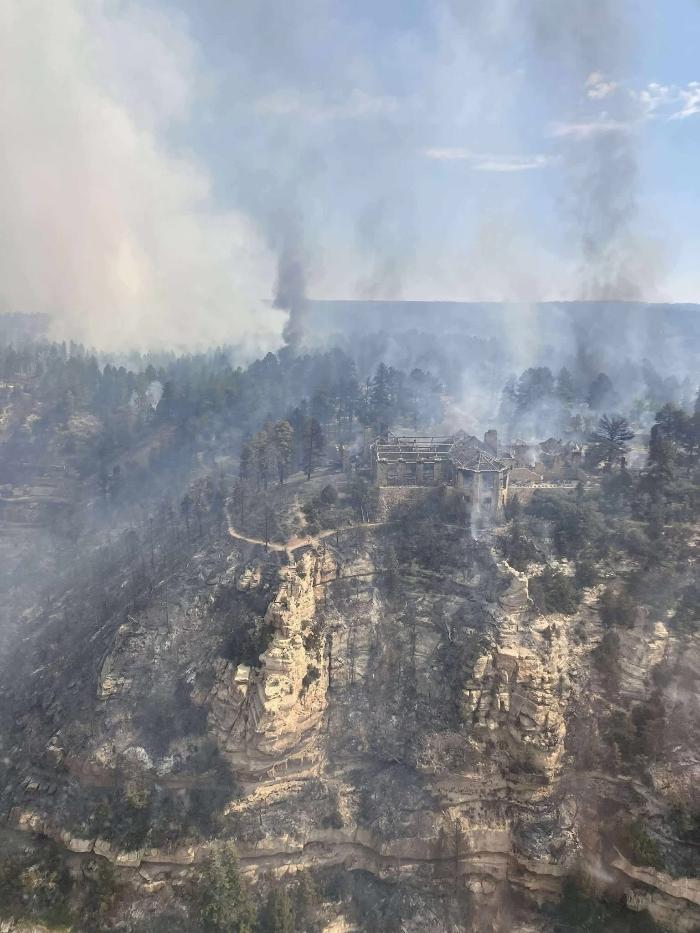
DEVASTATION TO NORTH RIM OF THE GRAND CANYON - JULY 2025
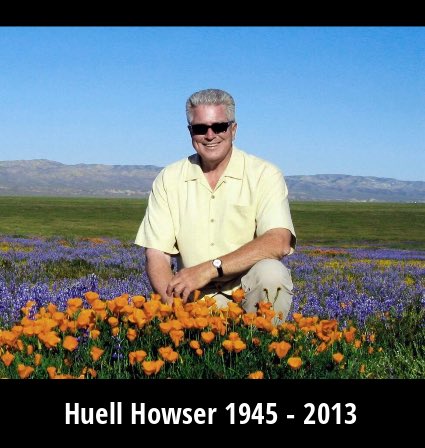
Huell was best known for this series CALIFORNIA's GOLD, 1991 and explored various locations and people across California. Huell retired in 2012.
"California's Gold" aired on KCET, the PBS affiliate in Los Angeles, California. However, due to its popularity, it was aired by all thirteen PBS stations in California during its run.
HUELL HOWSER VIDEO ARCHIVES
_________________________________________________
- California was home to a diverse population of Indigenous peoples, with numerous tribes and languages.
- These groups had a sophisticated understanding of their environment, practicing sustainable land management techniques like forest gardening and controlled burns.
- Archeological evidence suggests human occupation dating back at least 19,000 years.
- Tribes like the Chumash and Cahuilla developed unique cultural practices, including crafting and trading networks.
- 2. European Exploration (1542-1769):
- Spanish explorer Juan Rodríguez Cabrillo was the first European to arrive in California, in 1542.
- Later, Sir Francis Drake claimed a portion of the coast for England in 1579.
- Early European interactions led to the tragic introduction of diseases that decimated Indigenous populations.
- 3. Spanish Colonial Period (1769-1821):
- The Spanish established a series of 21 missions along the coast, beginning with Mission San Diego de Alcala in 1769.
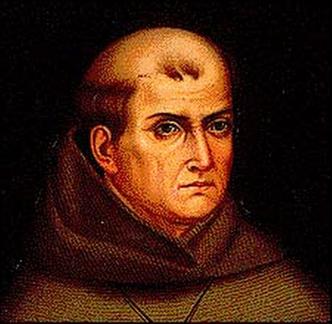
Father Serra
Born at Petra, Majorca, Spain, November 24, 1713, a son of Antonio Nadal Serra and Margarita Rosa Ferrer who spent their lives as farmers, Junípero Serra was baptized on the same day at St. Peter’s Church and was given the name Miguel José.
In Petra, Serra attended the primary school of the Franciscans. At 15-years-old, he was taken by his parents to Palma to be placed in the charge of a cathedral canon, and he began to assist at classes in philosophy held in the Franciscan monastery of San Francisco.
Serra was admitted as a novice at the Convento de Jesús outside the walls of Palma on September 14, 1730, and made his profession on September 15, the following year. He chose the name Junípero in memory of the brother companion of St. Francis. He studied philosophy and theology at the Convento de San Francisco. The date of his ordination to the priesthood is not known, though it probably occurred during the Ember Days of December 1738. Serra obtained his doctorate in theology in 1742 from the Lullian University, Palma. He was called to the Scotistic chair of theology at the same university as primary professor in January 1749 to become an Indian missionary in America.
On April 13, 1749, with Francisco Palóu, Serra sailed for America. He landed in Vera Cruz, Mexico on December 7, 1749. Although horses were supplied for the friars, Serra elected to walk the 250 miles between Vera Cruz and Mexico City. They reached San Fernando College on January 1, 1750, spending the previous night at the Shrine of Our Lady of Guadalupe.
In less than six months, an urgent call came for volunteers for the Sierra Gorda missions. Serra was among the volunteers. During his apostolate in Sierra Gorda with the Pame Indians between 1750 and 1758, Serra not only oversaw construction of a church, which is still in use, but developed his mission in both religious and economic directions. Under his presidency of the missions (1751-1754), the missionaries of the other four towns also built mission churches.
Serra learned the Otomí language and used a visual method of teaching religion. Zealous in preaching and in promoting both liturgical and popular devotions, he succeeded in bringing the Pame people to practice the faith in an exemplary way. Economically his mission prospered through the introduction of domestic animals, the fostering of agriculture, and the development of commerce. He also defended Indian rights against non-native settlers in a protracted contest over the valley of Tancama. During building operations on his church, he worked as an ordinary day laborer.
He was then assigned to the college of San Fernando, where he arrived September 26, 1758. There he was made choir director, master of novices from 1761 to 1764, college counselor from 1758 to 1761, and a confessor. As a home missionary Serra preached missions in Mexico City, Mezquital, Zimapan, Río Vero, Puebla and Oaxaca. In 1767, he was appointed president of the ex-Jesuit missions of Baja California.
He set out in mid-July and reached Loreto on April 1. Serra resided at the former Jesuit headquarters and assigned missionaries to the 15 missions between San José del Cabo in the south and Santa María in the north. Serra enthusiastically volunteered in 1768 to join expeditions to Upper California. On March 28, 1769, Serra left the mission at Loreto on mule-back, arriving at San Diego on July 1. En route, he founded his first mission at San Fernando de Velicatá on May 14. Serra kept a diary of his journey during which he suffered greatly from an infirmity in his legs and feet and had to be carried on a stretcher.
Serra devoted the next 15 years of his life to evangelical work in Upper California. During that period he founded nine missions: San Diego, July 16, 1769; San Carlos, Monterey-Carmel, June 3, 1770; San Antonio, July 14, 1771; San Gabriel, September 8, 1771; San Luis Obispo, September 1, 1772, San Francisco, October 9, 1776; San Juan Capistrano, November 1, 1776; Santa Clara, January 12, 1777; and San Buenaventura, March 31, 1782. He was present at the founding of Presidio Santa Barbara, April 12, 1782.
Serra remained at San Diego until April 14, 1770, when he embarked for Monterey. From June 3, 1770, until his death, he maintained his headquarters at Mission San Carlos. Serra died at Mission San Carlos, August 28, 1784, at the age of 70 and is buried in the floor of the sanctuary of the church he had built. By the end of 1784, Indian baptisms at the first nine missions reached the number 6,736, while 4,646 Christianized Indians were living in them.
Serra was small of stature, five feet two inches in height. He had a sonorous voice, swarthy skin, dark hair and eyes. Though it appears that he had a fundamentally robust constitution, he suffered a great deal during the latter part of his life. His first affliction was the swelling and painful itching of his feet and legs from mosquito bites which caused varicose ulcers. At times he could neither stand nor walk. After 1758 he began to suffer from asthma.
In character Serra was eager, optimistic, zealous, dynamic, even adamantine. Primarily a man of action, he preferred the active apostolate to the classroom or to writing. He remained a model religious despite his distractions and activity — a man of prayer and mortification. He had a consuming love for his American converts. He fought for the freedom of the Church against royal infringement. Serra was considered by some too aggressive, zealous, and demanding. Though he defended the Indians, he had a paternalistic view and believed in and practiced corporal punishment.
The cause for Serra’s beatification began in the Diocese of Monterey-Fresno in 1934, and the diocesan process was finished in 1949. On September 25, 1988 he was beatified by Pope John Paul II. Pope Francis canonized Junipero Serra on September 23, 2015. during a Mass in Washington, DC.
Serra monuments and memorials dot his Camino Real from Majorca to California. He is the subject of several dozen biographies in various languages. His writings with translation have been published in four volumes by Rev. Antonine Tibesar, OFM. He is known as the Apostle of California. Serra International was established in his honor. His life and his mission system are studied in California schools..
Submitted research from official biographyby Historian Helen Anderson
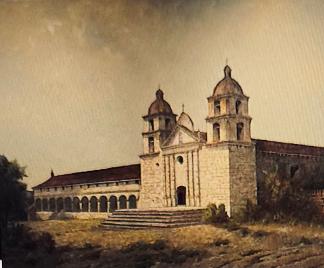
The Foundations Of Our State Are Our Missions Under Father Serra
Stretching from San Diego to Sonoma, the 21 missions of Alta California are storied reminders of California and our nation's past. Few regions of the world have such a physical, visual timeline of a nation's growth and development.
In 1769, under order of the Spanish king, sea and land expeditions departed Mexico for California, meeting in San Diego where the first fort and mission were established to serve as frontier outposts. The King sent military troops and Franciscan missionaries to the new land to colonize the territory and convert its Indian inhabitants to Christianity.
Over 54 years, four forts, or presidios, and twenty-one missions were founded along the California coast. Some of these sites eventually evolved into the state's major cities, including San Diego, Santa Barbara, San Jose and San Francisco.
Founding of the California missions began seven years before the American Declaration of Independence was signed in 1776, and ended 25 years before gold was discovered at Sutter's Mill in 1848. Mission expansion came to an end in 1823, when mission bells rang in Sonoma.
The California Missions Foundation was created in 1998 as the only organization dedicated to restoring and protecting all 21 mission structures and their contents, with the goal of preserving California's rich history.
Derived from the Spanish word “presidir” meaning to preside or to oversee, the Spanish set up a series of Presidios or military forts throughout its territories in the Americas.
From South America to California, Presidios were built to protect the Missions and the Pueblos from invading foreigners or from local native groups unhappy with the mission system.
The best example of a Presidio today in the U.S. is the reconstructed El Presidio de Santa Bárbara which was added on to the original El Cuartel, or soldier’s quarters building – the second oldest standing structure in Alta California.
In Alta California there were a total of four presidios – the first established at San Diego, followed by Monterrey, San Francisco and Santa Barbara.
At Monterey, the historic chapel remains in use today.
At San Francisco, the original Spanish presidio was used by U.S. troops after the western takeover of California by the Washington DC government.
At San Diego, archaeological explorations have revealed the layout of the vast Presidio at San Diego.
Asistencias were established by the Spanish as sub-missions of their Catholic Missions. Asistencias were smaller than missions, and did not have a resident priest. Rather, the father from the nearby Mission would travel to the various asistencias within his mission area to perform weekly mass.
Asistencias, though smaller than the full mission complexes, did include a chapel, living quarters, workshops and crops.
During mission times, asistencias were established by the Spanish from South America to Mexico and all the way to Alta California.
Missions in Alta California generally add multiple asistenicas. The asistencias were set up were there was a measurable native population, but not a native population large enough to support a full mission.
Today, several Alta California asistencias are still standing, including Pala Asistencia, sometimes mistakenly referred to as a mission, and the Asistencia Santa Margarita protected today on private land inside a barn.
Ranchos, first established during Spanish rule and later continued under the Mexican flag, were large land grants given to individuals who had been loyal to the Spanish Crown or later to the newly independent government in Mexico.
For decades, there was an effort to populate the territories of Alta California and Ranchos became the system of choice. Some ranchos were awarded during the mission period, but the vast number of Alta California ranchos were awarded after secularization of the missions in 1834.
The English word ranch is derived from the Spanish word rancho.
These land-grant titles in Alta California were government-issued, permanent and unencumbered property ownership rights to land.
For the most part, ranchos were devoted to raising cattle and sheep. Rancho workers often were the Native Americans who had been former mission residents and who had learned Spanish from the missionaries.
Ranchos developed land use patterns that are used today throughout Alta California. Much of the land development in the 20th and 21st centuries follows the boundaries established by the ranchos, and frequently use the name of those ranchos.
One of the first ranchos awarded in Alta California was that of Rancho San Pedro – given to Juan José Dominguez by Spanish Governor Pedro Fages. From this rancho evolved the city of Dominguez Hills among other western L.A. cities.
One of the largest land grant rancho owners in Alta California was former Santa Barbara Presidio commandante Jose de la Guerra y Noriega who was awarded ranchos from present-day Thousand Oaks to Cuyama just east of Santa Maria. His descendants still operate land that was part of these “rancho” land grants at San Julian and Cuyama.
Pueblos, or towns, were first used by the Spanish as a name for those Native American communities that they encountered that were housed in apartment-like structures made of mud or stone. This is proven by the name “Pueblo Indians” given by the Spanish to the natives of much of New Mexico who lived in what at the time was considered advanced housing structures.
Later the term “pueblo” replaced the earlier Spanish term in the Americas “villas” which was used for its communities of Spanish settlers.
Villas were established by the Spanish in all of their American territories and have grown to become today’s modern cities. For example, in Sinaloa, Mexico where many Alta California settlers descended from, the modern day city of Culiacán was originally named the Villa of San Miguel de Culiacán. In Alta California, a villa was set up at Branciforte (Santa Cruz) and later pueblos established at San Jose, San Francisco and Los Angeles.
Villas and pueblos became one in the same – safe heavens for Spanish and Mexican settlers moving into new territories claimed by the Spanish crown. While the missions served the native populations, the villas and pueblos of Spanish America were the towns of the settlers.
With time, these villas and pueblos grew, sometimes experiencing name modifications, and today stand as the seeds of some of the largest cities in what was once Spanish America.
Submitted research from official biography by Historian Helen Anderson
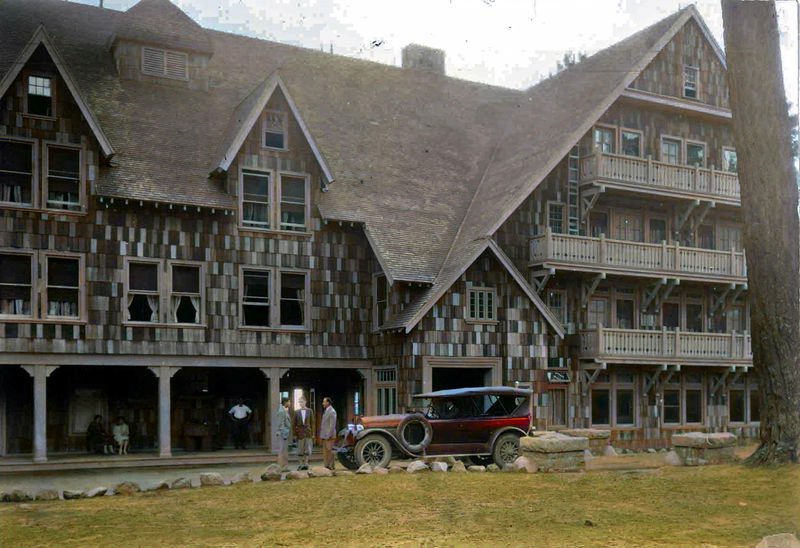
THE GLACIER POINT HOTEL IN YOSEMITE PARK, CALIFORNIA
The Glacier Point Hotel in Yosemite Park was built in 1917 at an elevation of 7,240 feet (2,207 m), making it the highest hotel in the American West at the time. Constructed in a rustic architectural style by The Desmond Park Service Company and Gutleben Brothers, transporting materials to the site was a logistical challenge. The hotel was located next to the Mountain House, a rustic tavern dating back to 1873, which later served as employee housing and a public cafeteria.
Features and Operations
The hotel offered stunning views of Half Dome and Yosemite Valley. A notable feature was its large fireplace carved from a single boulder. The Glacier Point Hotel was associated with the Yosemite Firefall, a spectacle created by pushing burning embers off the point. The hotel typically operated seasonally from late spring to early autumn. Access was initially by horseback or hiking, with automobile stage services added later.
Challenges and Demise
The remote location and short operating season posed operational difficulties. Water shortages were a frequent issue, often leading to early closures. Heavy snowfall in the winter of 1968-1969 caused significant damage to the hotel and the Mountain House. Both structures were destroyed by an electrical fire on July 9, 1969. Following the fire, proposals to rebuild faced strong opposition. The Yosemite General Management Plan in 1980 included restrictions against commercial development at Glacier Point, preventing the hotel's reconstruction.
Legacy
Today, remnants of the hotel's foundations and a granite amphitheater remain at the site. A visitor center was also built nearby as part of a modernization effort. The location remains a popular destination for its views of Yosemite Valley, Half Dome, and Yosemite Falls.
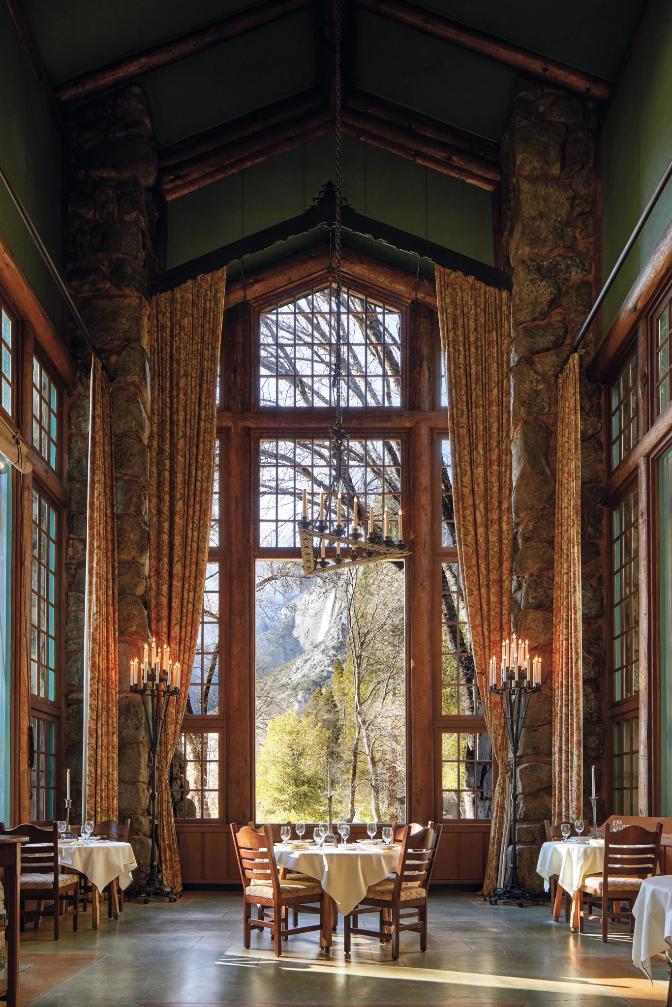
THE AHWAHNEE HOTEL DINING ROOM IN YOSEMITE PARK, CALIFORNIA
The importance and draw of the great national park lodges stem from several factors, creating a unique and enduring appeal:
1. Gateway to unforgettable experiences
- Location: These lodges were strategically built at or near iconic park locations, offering convenient access to prime attractions and often breathtaking views that would otherwise be difficult or time-consuming to experience. For instance, at Yellowstone allows visitors to easily witness the geyser erupt.
- Immersion in nature: Staying within the park allows guests to experience its beauty during twilight hours, observing wildlife and enjoying the peaceful atmosphere after day visitors have left.
2. Iconic architecture and design
- "Parkitecture" style: These lodges are renowned for their distinctive rustic architectural style, also known as "Parkitecture" or NPS Rustic.
- Blending with the environment: The designs aimed to harmonize with the surrounding landscape, using native materials like local stone and timber. Features like steeply pitched roofs echoed the nearby mountains, and large windows offered panoramic views.
- Grandeur and comfort: Despite their rustic aesthetic, these lodges offered impressive spaces with grand halls, massive fireplaces, and comfortable amenities, reflecting a combination of European chalet styles and American log cabins.
3. Historical significance and legacy
- Early park development: The construction of these lodges, often coinciding with the expansion of railroads, played a crucial role in opening up the national parks to tourism and making them accessible to a wider public.
- Preservation and adaptation: Many of these lodges have been well-preserved and continue to offer accommodations, even though some have been rebuilt or renovated over the years, according to TRIPinfo.com.
- Cultural importance: Some lodges, like
Old Faithful Inn
, are listed on the National Register of Historic Places or designated as National Historic Landmarks.
4. Unparalleled traveler experience
- Social and contemplative spaces: Lodges fostered a social atmosphere with grand dining rooms, lobbies featuring large fireplaces, and seating areas for gathering with other travelers or enjoying quiet contemplation.
- Authenticity and nostalgia: Staying in these historic structures allows visitors to connect with the history and evolution of the national park experience.
- Unique ambiance: The lodges offer a distinct ambiance, different from modern hotels, often featuring rustic decor, a focus on natural light, and spaces designed for appreciating the park's beauty rather than relying on modern distractions like television.
In summary, the great national park lodges were, and continue to be, important draws because they combined prime locations with captivating architecture, immersed visitors in nature, offered a unique blend of rustic grandeur and comfort, and provided a window into the history and development of the National Park System.
The Robert Asher Winery has a rich history in Ojai, California, operating since 1946. Our dedication to historical preservation, through maintaining the winery/restaurant and running a Facebook group about California tours, highlights the multifaceted nature of our "Project".
It's clear that the project is indeed whatever you make it, encompassing our passion for winemaking, local history, and sharing the beauty of California with others.