THE ROBERT ASHER WINERY OF OJAI, CALIFONIA HAS OPERATED SINCE 1946. LIKE MANY HERE IN OUR WONDERFUL STATE WE ARE HISTORIANS. FOR MANY YEARS WE HAVE OPERATED A FACEBOOK GROUP, TOURS OF OUR GRERAT STATE IN ADDITION TO MAINTAINING OUR WINERY AND RESTAURANT.
AS TO ENDEAVOR est. 2012 "THE PROJECT" IS WHAT YOU MAKE IT.
(NOTE: We are Self-funded and do not accept donations.)
REASONS
Financial Independence: We control our financial resources and do not depend on external funding to operate.
Operational Flexibility: We are able to make decisions aligned with our vision and values, without the constraints sometimes imposed by donors or grant requirements.
Sustainability: Self-funded organizations like ourselves are often considered more stable and reliable, relying on our own profitability and cash flow.
Focus on Core Mission: we are grateful that we do not have to seek or manage donations. This allows us more resources for our core mission or business activities.
We here at TheCalifornia History Project in Ojai are incredibly beneficial for students as we aim to enhance their learning experience in history and social sciences through engaging resources. This project provides students with access to well-curated primary source materials and innovative, inquiry-based instructional strategies, which align with Educational /Social Science Framework.
Key Benefits:
-
Engagement through Primary Sources: By utilizing primary sources, students can engage with the material in a more meaningful way, encouraging critical thinking and a deeper understanding of historical contexts.
-
Curriculum Support: The project offers instructional resources that are ready to use in the classroom, catering to various grade levels and educational standards. This helps teachers implement the new curriculum effectively.
-
Enhanced Literacy and Skills: The program emphasizes skill-building in reading, writing, and critical thinking, which are essential for civic engagement and informed citizenship.
-
Cultural Relevance: Ojai's unique local history is integrated into broader narratives, allowing students to see their community's role in California's diverse and multifaceted history. This can inspire a sense of connection and agency in young learners.
-
Professional Development for Educators: The project also offers opportunities for teachers to improve their own knowledge and skills in delivering history education, ensuring they are equipped to foster students' learning effectively 1 2.
Overall, the California History Project in Ojai empowers students by giving them the tools to explore, understand, and engage with their history in a reflective and enriching manner.
Our Partners
ROBERT ASHER WINERY
LOS ANGELES HIDDEN HISTORY
THE BLAISEDALE FOUNDATION
P.G. LOST LOS ANGELES
THE GEORGE H. LUTZ OBSERVATORY
THE CALIFORNIA HISTORY PROJECT FB
Working With AI To Discover More of California's History
Examples in history research
AI's ability to process and analyze historical data is transforming research in several ways:
- Discovering hidden patterns: By sifting through historical data, AI can uncover trends and correlations previously missed by researchers.
- Automating data analysis: AI can automate the analysis of large volumes of data, including texts, images, and archaeological records, leading to more efficient research and potentially new discoveries.
- Deciphering ancient languages: AI tools can help decipher ancient languages and scripts, opening new avenues for understanding historical documents.
- Digitizing historical records: AI assists in digitizing and preserving historical documents and artifacts, making them more accessible for study.
It's important to remember that AI is a tool, and while incredibly powerful, it's most effective when used in conjunction with human expertise and historical context. Human researchers remain crucial for evaluating the nuances of historical events and ensuring accuracy and ethical considerations are met.
Improving accessibility and engagement with California's past
- Generating metadata: AI can automatically generate metadata for digital historical resources, making them more searchable and discoverable for researchers and the public.
- Translation and transcription: AI tools can aid in translating historical documents in various languages and transcribing handwritten materials, overcoming language barriers and increasing access to historical information.
- Creating immersive experiences: AI can power virtual reality and augmented reality applications that bring historical events and environments to life, offering engaging and interactive ways to explore California's history.
- University of California - Los Angeles (UCLA): Offers a flexible History PhD program with various specialization options, including areas relevant to California history such as American history or the history of specific regions within the United States.
- University of California - Davis (UC Davis): Known for its strong History PhD program that focuses on research and teaching skills and covers various geographical and thematic areas.
- University of California - Santa Barbara (UC Santa Barbara): Offers both MA/PhD and PhD programs in History with numerous fields of study, including public history and gender studies, which could be applied to California history.
- University of California - Santa Cruz (UC Santa Cruz): Its History PhD program emphasizes a global and transnational approach and allows for specializations in areas like U.S. history.
- Provides a History PhD program with a variety of fields, including those that could relate to California history.
- University of Southern California (USC): Offers a PhD in History with opportunities for specialization within its fields of study, including the American West. The program aims to prepare students for academic careers and professions in the field of history.
- Their History PhD program allows students to specialize in areas like American Studies, which incorporates a multidisciplinary approach to U.S. culture and society.
- Offers a PhD in History with a Public History specialization.
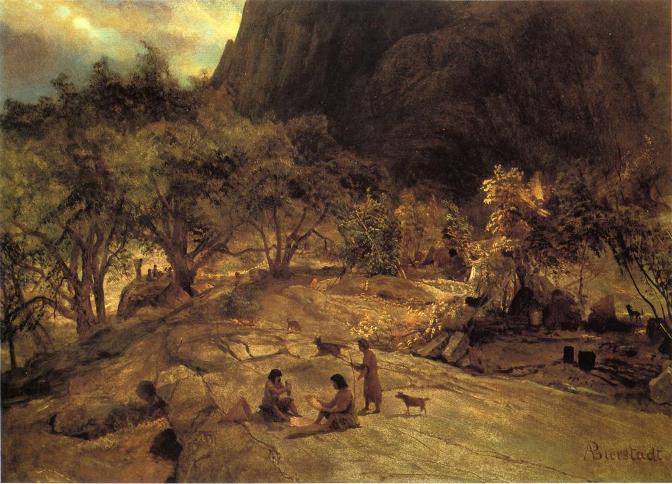
Some history is that Indigenous peoples of California, commonly known as Indigenous Californians or Native Californians, are a diverse group of nations and peoples that are indigenous to the geographic area within the current boundaries of California before and after European colonization. There are currently 109 federally recognized tribes in the state and over forty self-identified tribes or tribal bands that have applied for federal recognition. California has the second-largest Native American population in the United States. Most tribes practiced forest gardening or permaculture and controlled burning to ensure the availability of food and medicinal plants as well as ecosystem balance. Archeological sites indicate human occupation of California for thousands of years. European settlers began exploring their homelands in the late 18th century. - Wiki
Indigenous Californians, also known as Native Californians or Indigenous peoples of California, are the diverse groups who have traditionally lived in the area that is now California and northern Baja California
Diversity and Culture:
- California was home to a vast number of diverse tribal groups, each with its own language and culture.
- Over 135 distinct dialects were spoken.
- Tribes adapted their lifeways to the varied microenvironments of the region, including coastal areas, mountains, valleys, and deserts.
- They practiced sophisticated land management techniques like controlled burning to ensure the availability of food and medicinal plants.
Impact of European Colonization:
- European arrival in California, particularly the establishment of Spanish missions, had a devastating impact on Indigenous populations.
- Disease, violence, and forced assimilation led to a significant decline in the native population, with estimates indicating a 90% reduction during the 19th century.
- The California Gold Rush also brought about widespread massacres and violence against Indigenous peoples.
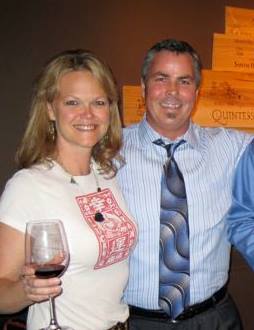
Your Hosts - Bob Asher - Tina Asher