NO EVENTS SCHEDULED AT THIS TIME
2024 SUMMER FILM - The Las Virgenes River People
THE OJAI LEICA CAMERA CLUB 2025 SUMMER SESSION STARTING JUNE 16th
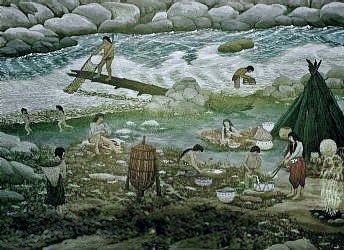
It's important to recognize and appreciate the Indigenous peoples and their significant contributions, past and present. Land acknowledgements, for instance, are one way to demonstrate respect and acknowledge the ongoing history and culture of Indigenous communities.
The Las Virgenes area, including what is now Calabasas and Agoura Hills, has a rich history tied to indigenous people, particularly the Chumash and Tongva tribes
. Early Indigenous Presence:
- Chumash and Tongva: These tribes inhabited the region for thousands of years, long before European contact.
- "Wisyáxnga": This was the Tongva name for a village in the area, meaning "place of the pine".
- Huwam: This village, located in the Upper Las Virgenes Canyon Open Space Preserve, was a multicultural settlement where Chumash, Tongva, and Tataviam peoples resided.
- Lifestyle: The indigenous peoples lived a life closely connected to the land, utilizing local resources and establishing villages in canyons near streams and springs.
-
Impact of Spanish Missions:
- Missionization: Spanish expeditions, like the Portolá expedition in the late 1700s, brought Europeans to the area and forever changed the lives of the indigenous people.
- Mission San Fernando Rey de España: The Franciscans at this mission petitioned for control of the land that became Rancho Las Vírgenes, using it for cattle pasturage.
- Forced Labor and Cultural Changes: The Spanish missions brought new skills like farming and livestock husbandry, but also disrupted traditional ways of life, imposed new religious beliefs, and sometimes involved harsh treatment and forced labor.
- Disease: Exposure to European diseases, like measles and smallpox, decimated indigenous populations who had no immunity
-
Present Day:
- Descendants and Legacy: Many people today can trace their ancestry back to the historic Chumash communities. The Gabrielino/Tongva Nation remains a recognized tribal entity in the Los Angeles Basin.
- Archaeological Significance: Archaeological sites within the Las Virgenes area provide evidence of the long history of indigenous peoples in the region. For example, the Cave of Munits is associated with Chumash mythology.
Understanding the history of the indigenous peoples in the Las Virgenes area is crucial to understanding the full history of the region. Their resilience and cultural heritage continue to be celebrated and recognized today.
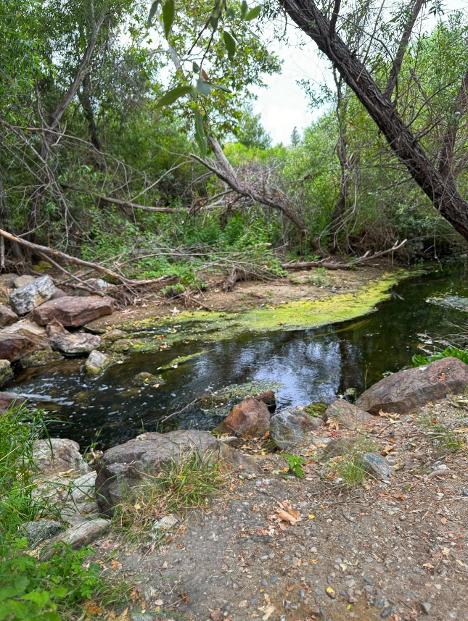
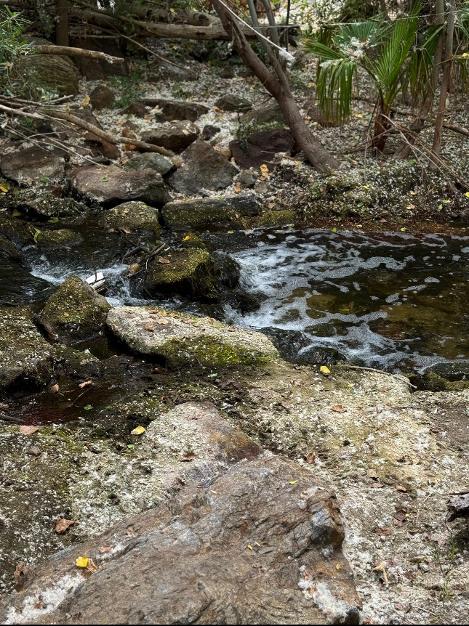
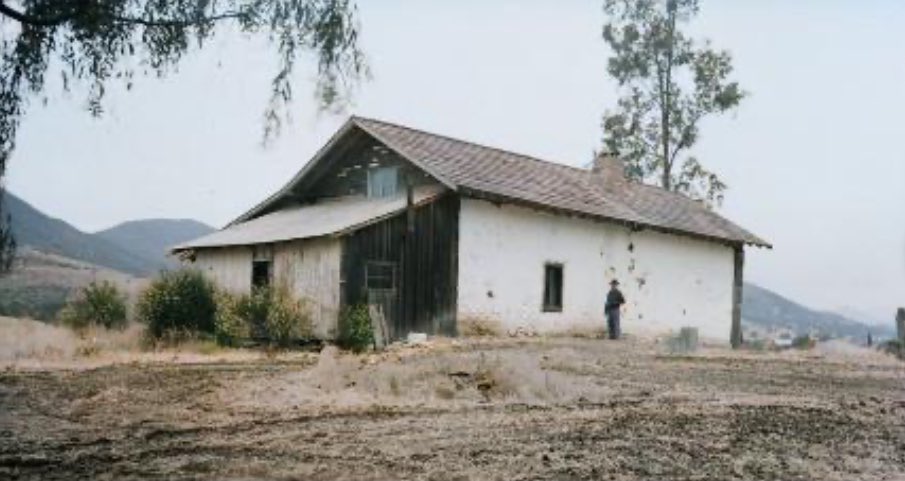




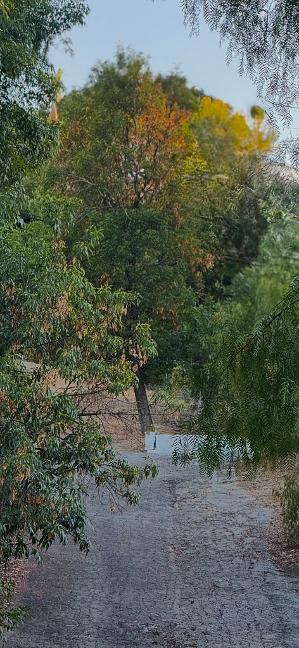
PAMELA GREYSON - (photo with LEICA Q2 - Pismo Beach)

Term Papers and A. I.
Students,ubmitting a term paper generated by AI and claiming it as one's own work is generally considered a form of academic dishonesty, specifically plagiarism. Here's a breakdown of the key reasons why this is a problematic decision:
1. Academic Integrity and Learning:
-
Purpose of the Assignment: Term papers are designed to assess a student's understanding of a subject, their critical thinking skills, research abilities, and their capacity to synthesize information into a coherent argument. By using AI to write the paper, the student bypasses this learning process.
-
Skill Development: Writing is a fundamental skill. It improves communication, organization of thoughts, and argumentation. Relying on AI prevents the student from developing these crucial academic and professional skills.
-
Original Thought: The core of a good academic paper is the student's unique perspective and analysis. AI models can summarize information, but they cannot provide original, nuanced insights that come from a deep personal engagement with the material.
2. Consequences of Plagiarism:
-
Detection: Educational institutions are increasingly using sophisticated plagiarism detection software that can identify text generated by AI. These tools analyze stylistic patterns, sentence structure, and other markers that differentiate human writing from machine-generated text.
-
Disciplinary Action: If caught, the consequences can be severe. These often include:
-
Failing the assignment.
-
Failing the course.
-
Suspension or expulsion from the college.
-
A permanent mark on the student's academic record, which can affect future academic or career opportunities.
-
-
Loss of Trust: Plagiarism erodes the trust between the student and the instructor, and the student and the academic institution. This can make it difficult for the student to receive support, recommendations, or other forms of academic assistance in the future.
-
-
3. Ethical Considerations:
-
Fairness: It is unfair to other students who put in the effort to research, write, and revise their own papers. It creates an unequal playing field.
-
Misrepresentation: The student is misrepresenting their abilities and their effort, which is a form of deception.
Disciplinary Action: If caught, the consequences can be severe. These often include:
-
Failing the assignment.
-
Failing the course.
-
Suspension or expulsion from the college.
-
A permanent mark on the student's academic record, which can affect future academic or career opportunities.
-
Loss of Trust: Plagiarism erodes the trust between the student and the instructor, and the student and the academic institution. This can make it difficult for the student to receive support, recommendations, or other forms of academic assistance in the future.
- .4. The Role of AI in Academia: It's important to distinguish between using AI as a tool and using it to plagiarize. AI can be a helpful resource for students in various legitimate ways:
- Brainstorming and Outlining: AI can help generate ideas or structure a paper.
- Grammar and Spell-Checking: It can be used to proofread and correct errors
- Research Assistance: It can help find sources or summarize complex topics (though students must still verify and cite the information).
-
However, the line is crossed when the AI is used to produce the final, submitted work that the student claims as their own.
Conclusion:
From an educational, ethical, and practical standpoint, it is not a proper decision for a college student to submit an AI-generated term paper as their own. The act undermines the purpose of the assignment, risks severe academic penalties, and prevents the student from developing essential skills. Academic integrity is a cornerstone of higher education, and using AI in this manner fundamentally violates that principle.
-
-
_____________________________________
YOLA Youth Organization of Los Angeles
It is the flagship music education and social development program of the Los Angeles Philharmonic
ts core purpose is to provide:
Free, intensive music instruction (up to 18 hours per week) and instruments to young people aged 5 to 18.
Students are primarily from underserved communities across Los Angeles County.
The program is inspired by Venezuela's El Sistema and aims to use musical excellence as a tool for personal, social, and academic empowerment.
Key Facts About YOLA:
Parent Organization: The Los Angeles Philharmonic (LA Phil).
Mission: Empowering youth to become vital citizens and leaders through high-quality music training.
Curriculum: Beyond ensemble rehearsals and specialized music classes, YOLA includes academic support, college prep, and leadership development.
The California History Project is not affiliated with YOLA, we however support their work.
YOLA

LOCAL SCHOOL INSTRUCTORS GRETCHEN ABURG and PAMELA GREYSON ASSISTING WITH VARIOUS YOLA ACTIVITIES FROM NEW BERRY PARK, CA.

CALIFORNIA - HISTORIAN PAMELA GREYSON AVALON, CALIFORNIA - ALSO AN ASSISTANT INSTRUCTOR IN NEW BERRY PARK.